
How to measure a package's size
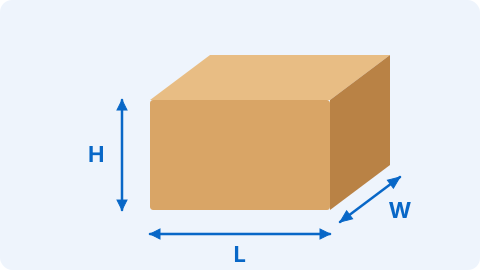
Measure the length, then the girth (2×width + 2×height), add them together, and weigh the package. Carriers use this combined measurement — along with weight — to determine your rate and whether size limits apply.
The formula
Length + 2×Width + 2×Height
Step by step
- Determine the length: Measure the longest side of the package, rounded to the nearest inch.
- Determine the girth: Measure the width, multiply by 2. Measure the height, multiply by 2. Add these two numbers together — that's the girth.
- Add length and girth together: This is your package measurement, which carriers compare against their size limits.
- Weigh the package: Get its actual weight — carriers bill by whichever is greater, actual or dimensional weight.
Irregularly shaped packages
For boxes or containers that aren't perfectly rectangular, treat the package as if it were in a regular rectangular box: measure the length, width, and height from its extreme points, then use the same formula above.
Getting this right the first time avoids a re-measurement adjustment later — see UPS weight and size limits for what happens if a package exceeds carrier limits.
Frequently asked questions
What if my package isn't a rectangular box?
Treat it as if it were in a rectangular box, and measure the length, width, and height from its extreme points.
Why does the carrier re-measure my package?
Carriers re-measure to verify billable weight. If your declared dimensions were too low, the shipment is adjusted and re-billed at the correct rate — so it's worth measuring accurately upfront.